Feeding, without the fight · 2 min read · Seedling days
My toddler refuses new foods. Is that normal?
Yes, completely normal. Research reviewed by the USDA found it takes roughly 8 to 10 or more exposures before an infant or toddler accepts a new food (Nutrition Evidence Systematic Review, 2020). Ten rejections is not fussy. It is how tasting works. If you are on try four, you are not failing; you are about halfway through the process.
How many tries does a new food really take?
The evidence review puts it at 8 to 10 or more exposures, and food preferences formed in the first 1000 days tend to persist (USDA, 2020). Most families stop offering well before that count, not because the child will never accept the food, but because rejection number three feels like a verdict.
It is not a verdict. It is a data point in a process that was always going to take double digits. The families who get there are not stricter; they just keep the food showing up without a fight.
What counts as an exposure?
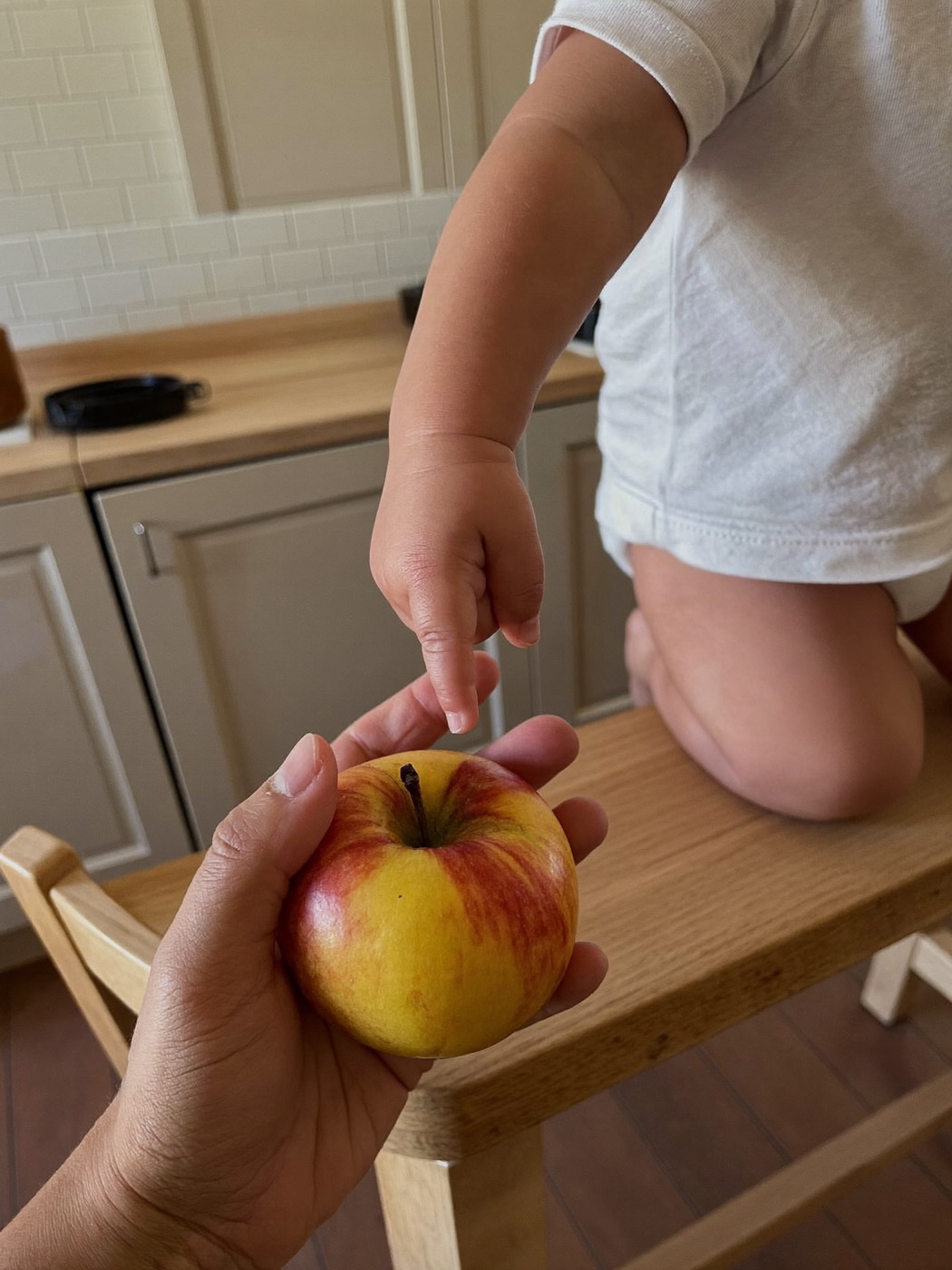
More than eating. Seeing the food on your plate counts. Touching it, smelling it, licking it and spitting it out all count. An exposure is a meeting, not a meal. Counted that way, a broccoli floret that gets squashed and abandoned tonight still moved the number from four to five.
An exposure is a meeting, not a meal.
How do I keep offering without the fight?
Small serve, no ceremony, no commentary, and the same food appearing beside things they already eat. Pressure teaches a child that this food comes with a performance attached. The quiet version costs you one floret a night and spends none of your evening negotiating with a two-year-old, which is a trade every tired parent should take.
And tell the grandparents the number. Ten rejections is not fussy, it is how tasting works, and a grandmother who knows the research stops taking Tuesday’s refusal personally.
When is refusal worth a professional look?
If your child is dropping whole food groups, losing weight, or mealtimes are distressing for everyone most days, take it to your GP or child health nurse rather than the internet. Normal toddler refusal is broad and noisy; your instinct that something is beyond that range deserves a real appointment, not a blog.
What counts as an exposure
| The moment | Counts? |
|---|---|
| The food sits on their plate untouched | Yes |
| They watch you eat it | Yes |
| Touched, squashed, thrown | Yes |
| Licked and rejected | Yes |
| Eaten under pressure after a standoff | Technically, but the standoff teaches the wrong lesson |
Common questions
Is my toddler a fussy eater?
Probably an ordinary one. Rejecting new foods peaks in toddlerhood and settles with repeated calm exposure. The research number to hold onto is 8 to 10 or more tries (USDA, 2020).
Should I hide vegetables in other food?
Blending vegetables into a sauce feeds tonight, and visible vegetables on the plate train next year. Do both; only counting the visible ones as exposures.
Does it matter which foods we practise on?
Only 4.6% of Australian children aged 2 to 17 met the vegetable guideline in 2022 (ABS), so vegetables are where the practice pays longest. Pick one or two and let them keep showing up.
My first child ate everything. What changed?
Nothing you did. Children arrive with different starting points; the exposure process is the same, some just need more of the 8 to 10 than others.
The research
Every figure in this article comes from one of these sources. Read them; that is what they are for.
- Australian Bureau of Statistics, National Health Survey 2022: dietary behaviour abs.gov.au
- USDA and HHS, Repeated exposure to foods and early food acceptance: a systematic review, Nutrition Evidence Systematic Review, 2020 ncbi.nlm.nih.gov